Community Organizing

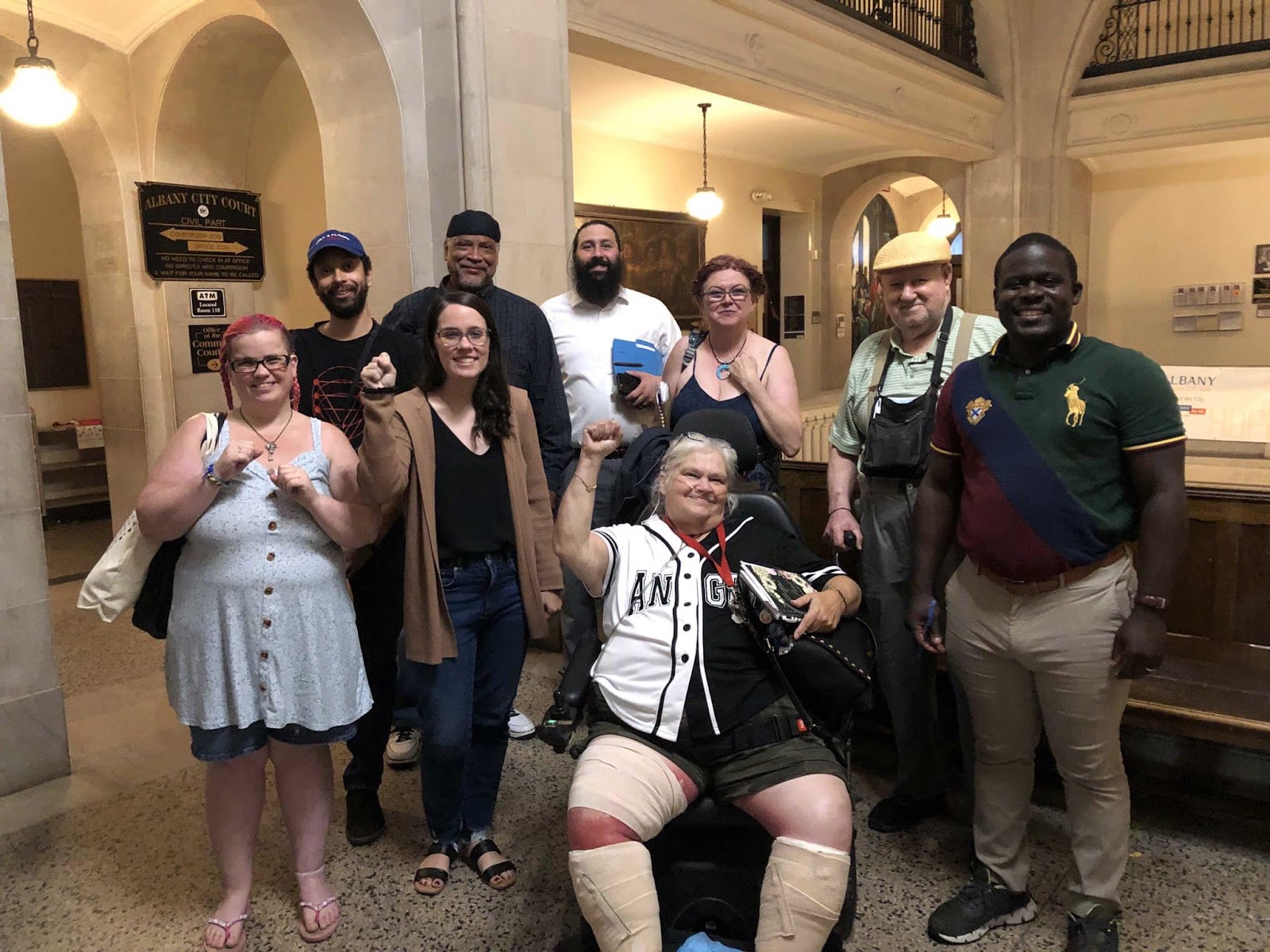
As a 501(c)(3) nonprofit, United Tenants of Albany (UTA) cannot endorse political candidates or engage in partisan lobbying. However, we do engage in policy advocacy and education, working alongside tenants and coalition partners to advance housing justice and build tenant power at the local, state, and national levels.

Campaigns

Good Cause Eviction
  • 2021: The original Good Cause law was passed in Albany, protecting tenants from unjust evictions and capping rent increases at 5%. UTA, tenants, and Citizen Action played key roles.
  • 2022: The local law was struck down by the NYS court, which argued that the State must pass such a law, and that cities cannot do so on their own. The City of Albany attempted to defend the law and UTA submitted an amicus brief in support of the City’s case, but in 2023 a higher court denied Albany’s appeal.
  • 2024: UTA helped push for the statewide reintroduction of Good Cause in the NYS budget. The new version mandated NYC implement Good Cause and allows other cities to opt in. Albany was the first municipality in the state to adopt this updated version, helping set the tone for 16+ other localities.
  • 2025: UTA has been working with community organizers in Schenectady to win Good Cause at the municipal level.
Inclusionary Zoning
  • 2019: UTA and Housing For All (HFA) helped pass Albany’s first IZ law, requiring affordable units in developments of 50+ units.
  • 2023: The law was strengthened to require affordable units (60% AMI) in all new developments with 20+ units. UTA has continued to defend this legislation as a means of addressing the lack of dignified, affordable housing in our City.
Residential Occupancy Permits (ROP)
  • 1996: UTA helped establish the ROP system in Albany, which requires landlords to pass regular inspections to legally rent housing.
  • 2021: UTA successfully advocated to shorten inspection cycles from 36 to 24 months and link ROPs directly to eviction proceedings.
    • Today, landlords cannot bring a non-payment eviction if the unit lacks a valid ROP.
    • Tenants should see ROP certificates posted inside their buildings and can also check status on the Citizen Self Service Portal.
Citizen Self Service Portal
  • Developed through UTA advocacy and legislation sponsored by then-Common Councilmember (now Assemblymember) Gabriella Romero.
  • The portal allows tenants to look up rental units and see:
    • Code violations
    • Inspection records
    • ROP status
    • Unsafe/Unfit designations
    • Stop Work Orders
  • This promotes transparency and empowers tenants with information.
Eviction Prevention & Intervention Collaborative (EPIC)
  • 2022: UTA partnered with Legal Aid and Albany Law School to design EPIC, a program to address the massive imbalance of legal representation in eviction court (less than 3% of tenants had lawyers, while over 90% of landlords did).
  • UTA helped secure:
    • $100,000 from the City of Albany
    • $160,000 from Albany County
    • $75,000 from CARES of NY
  • However, in 2024, the County required that EPIC include landlord representation, which does not align with UTA’s mission. As a result, we withdrew from the application process.
  • Today, Legal Aid and Alternatives2Displacement administer the program with a focus on rental assistance and non-court-based mediation.
Rent Control & Rent Stabilization
  • UTA has pushed for rent control in Albany since the 1980s. After changes to state law in 2019, cities could finally opt in under the Emergency Tenant Protection Act (ETPA).
  • In 2023, UTA secured funding for a vacancy study, a required step for opting in. The City’s study, completed in October 2024, found a vacancy rate of 8.33%, above the 5% threshold.
  • UTA raised concerns about the study’s timing and methodology, advocating for a new independent study using $125,000 allocated for 2025.
  • Instead, the Common Council shifted that funding to support a broader “housing initiative,” and as courts continued to strike down other cities’ rent control laws, UTA’s base voted to pivot toward statewide reform and reinvest in organizing around deteriorating housing conditions.
Albany Landlord Report Card
  • Launched in 2023 by friends of UTA.
  • Visit AlbanyLandlord.com to search any address in the City of Albany and learn:
    • Who owns the building
    • How many evictions they’ve filed
    • Whether there’s a valid ROP
    • If any code violations or Unsafe/Unfit conditions exist
  • Landlords receive a grade (A–F) based on these factors.
  • This is especially useful for tenants wondering if they’re protected by Good Cause (e.g., tenants are excluded if their landlord owns only one unit in the building and lives there, unless the building has more than 10 units).
Housing Access Voucher Program
  • The Housing Access Voucher Program was introduced in 2019 to supplement Section 8 in NYS and support low income tenants that are homeless, or at risk of homelessness.
  • In 2023 and 2024, both the Assembly and Senate allocated funding in their One House budgets, but the final NYS budget was unable to secure the funding.
  • In 2025, UTA co-led the campaign for HAVP and was able to win funding for a $200M 4-year pilot program.
Rent Emergency Stabilization for Tenants Act
  • In 2024, the REST Act was introduced to make it easier for cities to opt into rent stabilization. UTA actively co-leads the campaign to win stronger tenant and rent protections.

Coalitions & Movement Partners

Local

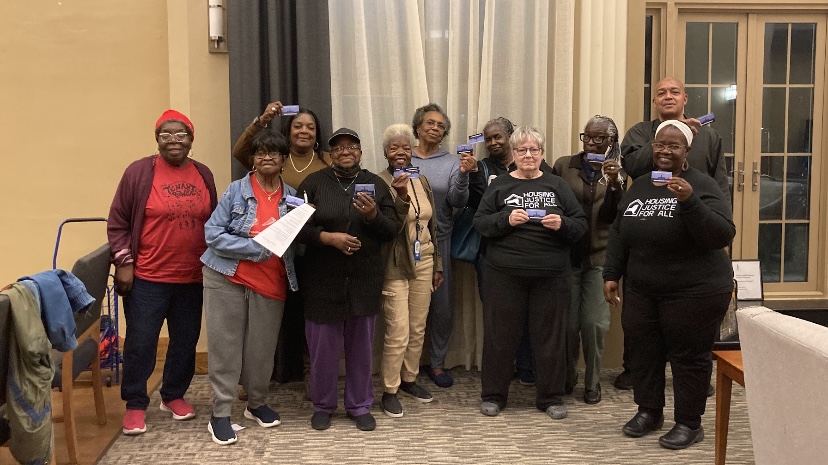
Housing for All (HFA)

HFA has partnered with UTA on Inclusionary Zoning, affordable development projects in Albany and Bethlehem, and the creation of the Albany County Affordable Housing Trust Fund.

Albany Justice Coalition (AJC)

UTA members are active in AJC, which originated from the campaign for Proposal 7 and the Community Police Review Board. AJC continues to support housing protections and anti-displacement efforts.

National Union of the Homeless – Albany Chapter

In partnership with the Poor People’s Campaign, UTA works to build power among unsheltered and unhoused tenants, fighting policies that criminalize homelessness and harm our community.

Statewide

Housing Justice for All (HJ4A)

UTA is a core campaign leader in this statewide network of 80+ organizations. HJ4A’s priorities include:

  • Housing Access Voucher Program: A statewide rental subsidy for tenants facing eviction, homelessness, or domestic violence.
  • Expanding Rent Stabilization: Making it easier for upstate cities to opt into rent stabilization.
  • Additional platform priorities:
    • Tenant Opportunity to Purchase Act (TOPA)
    • Social Housing Development Authority
    • Expanding Good Cause Eviction
    • Rent Freeze (NYC specific)
Housing Courts Must Change (HCMC)

UTA serves on the steering committee, advocating for:

  • Right to Counsel in all eviction cases statewide
  • Winter Eviction Moratorium
  • Clean Hands Law (prohibiting eviction if there are code violations)

National

Right to the City Alliance

UTA is part of the Renters Rights Committee, supporting national campaigns to fight corporate landlords and real estate speculation.
Tenant Organizing

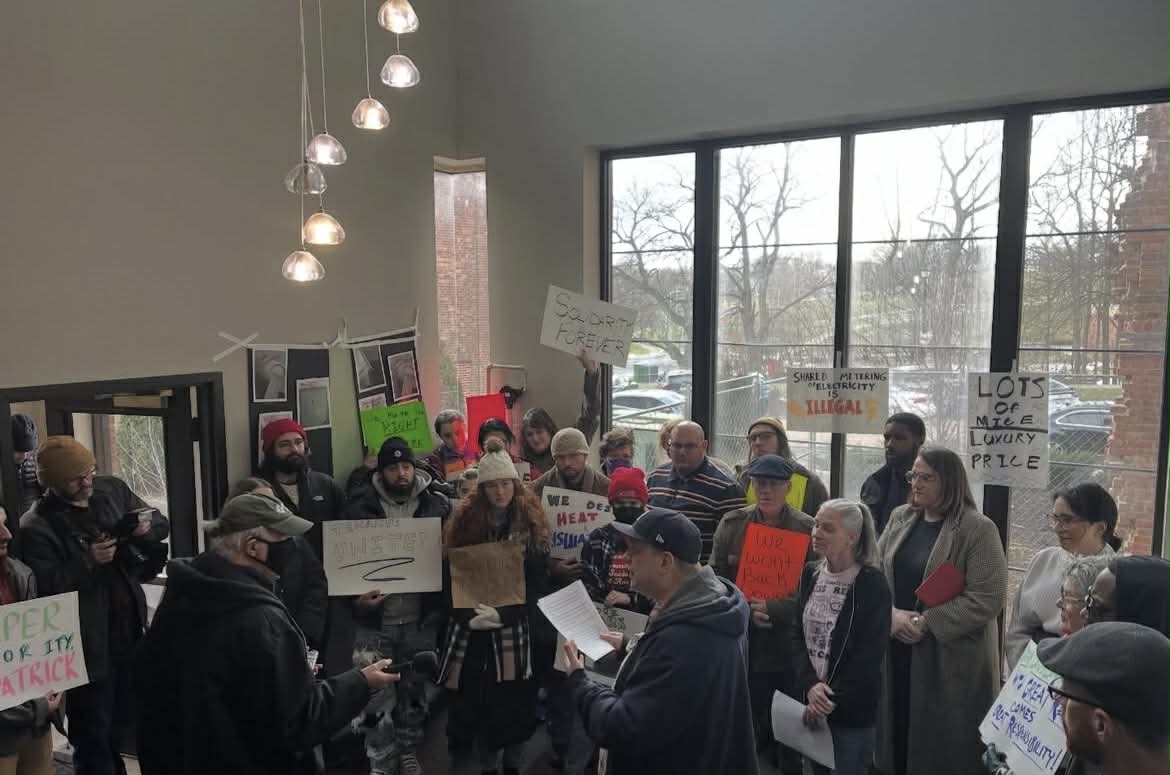
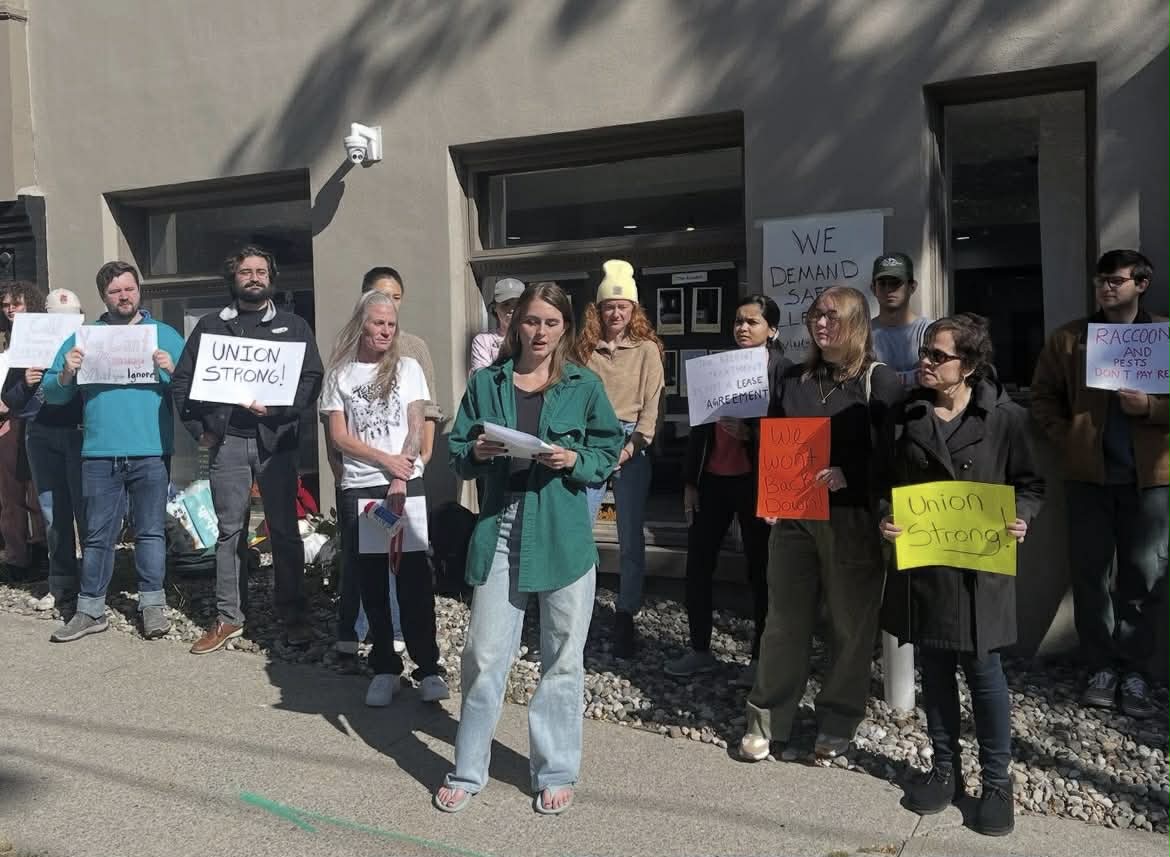
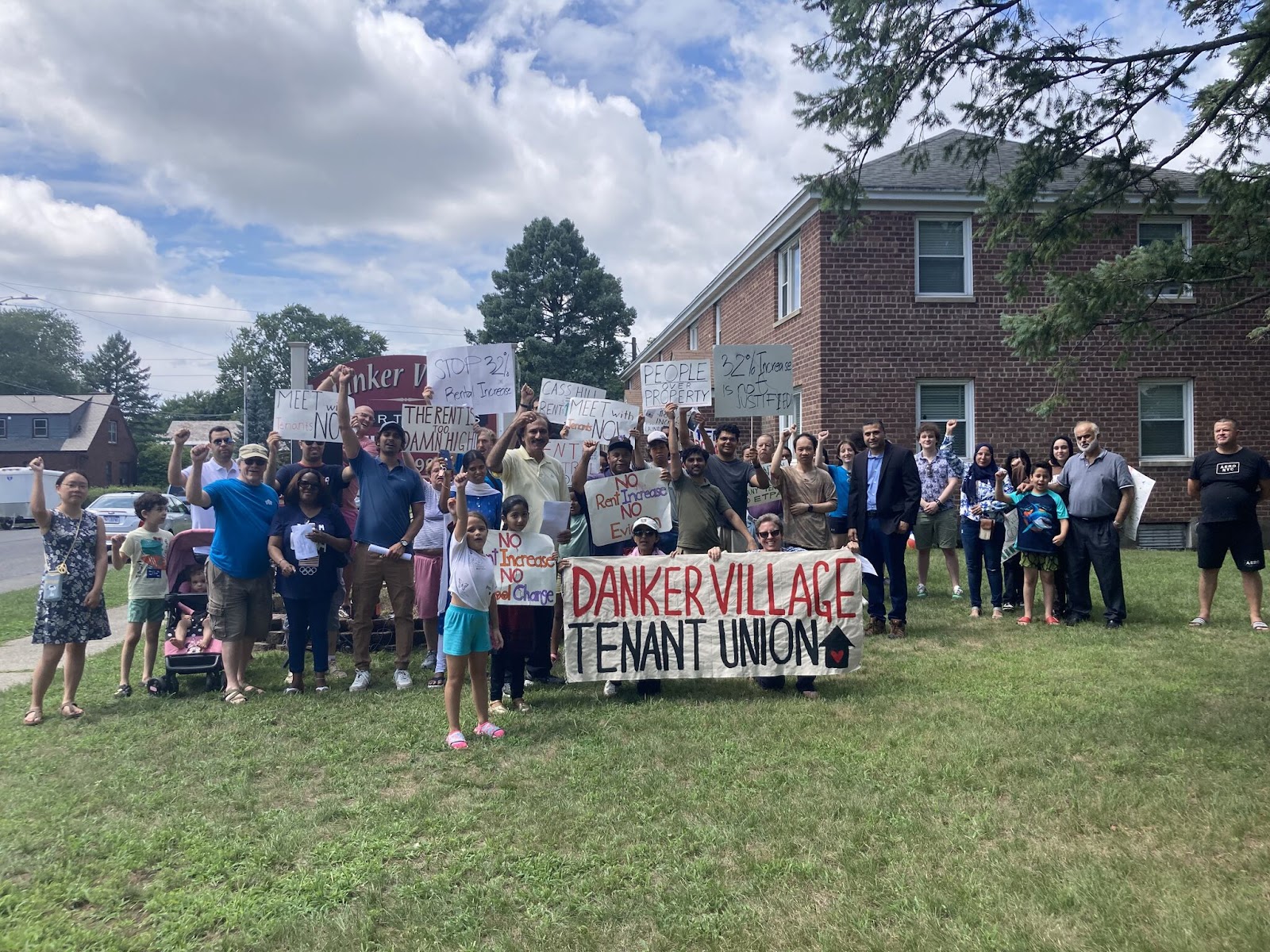
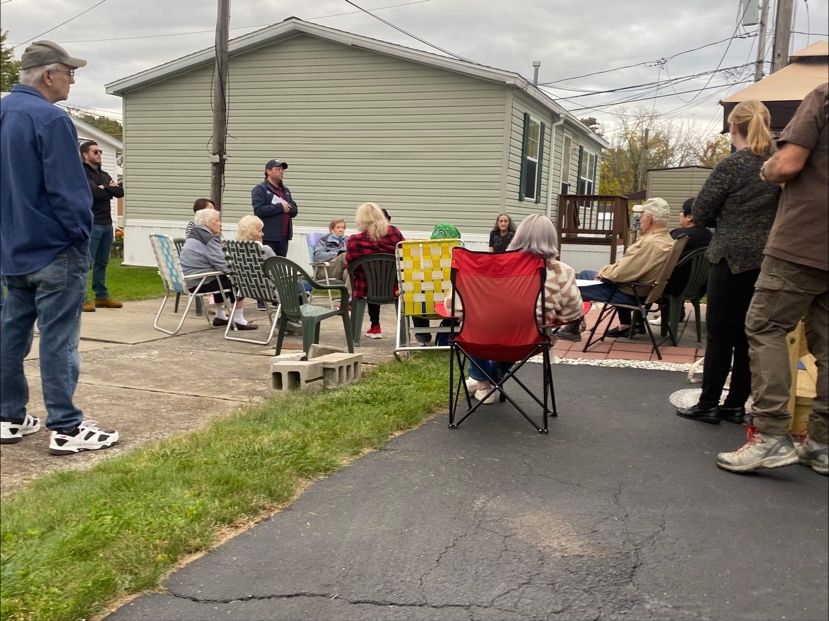
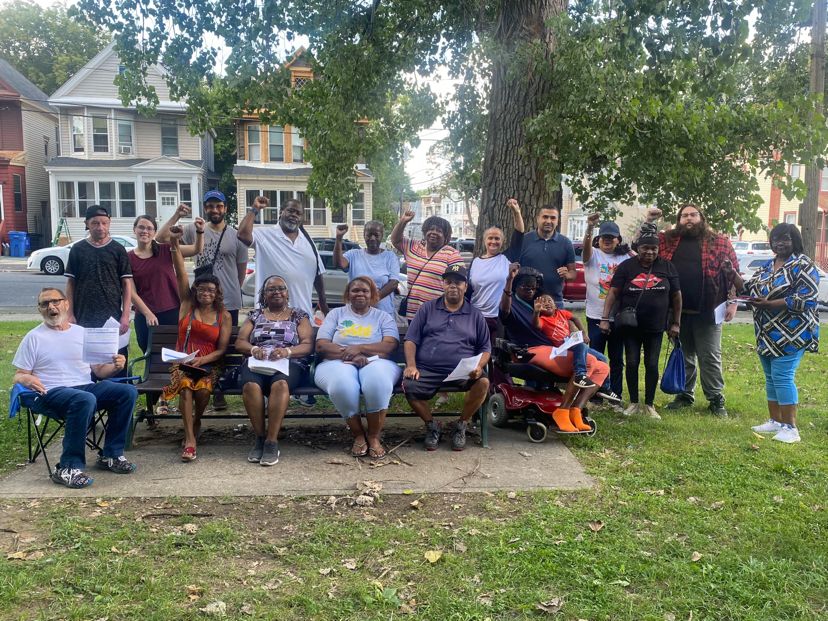
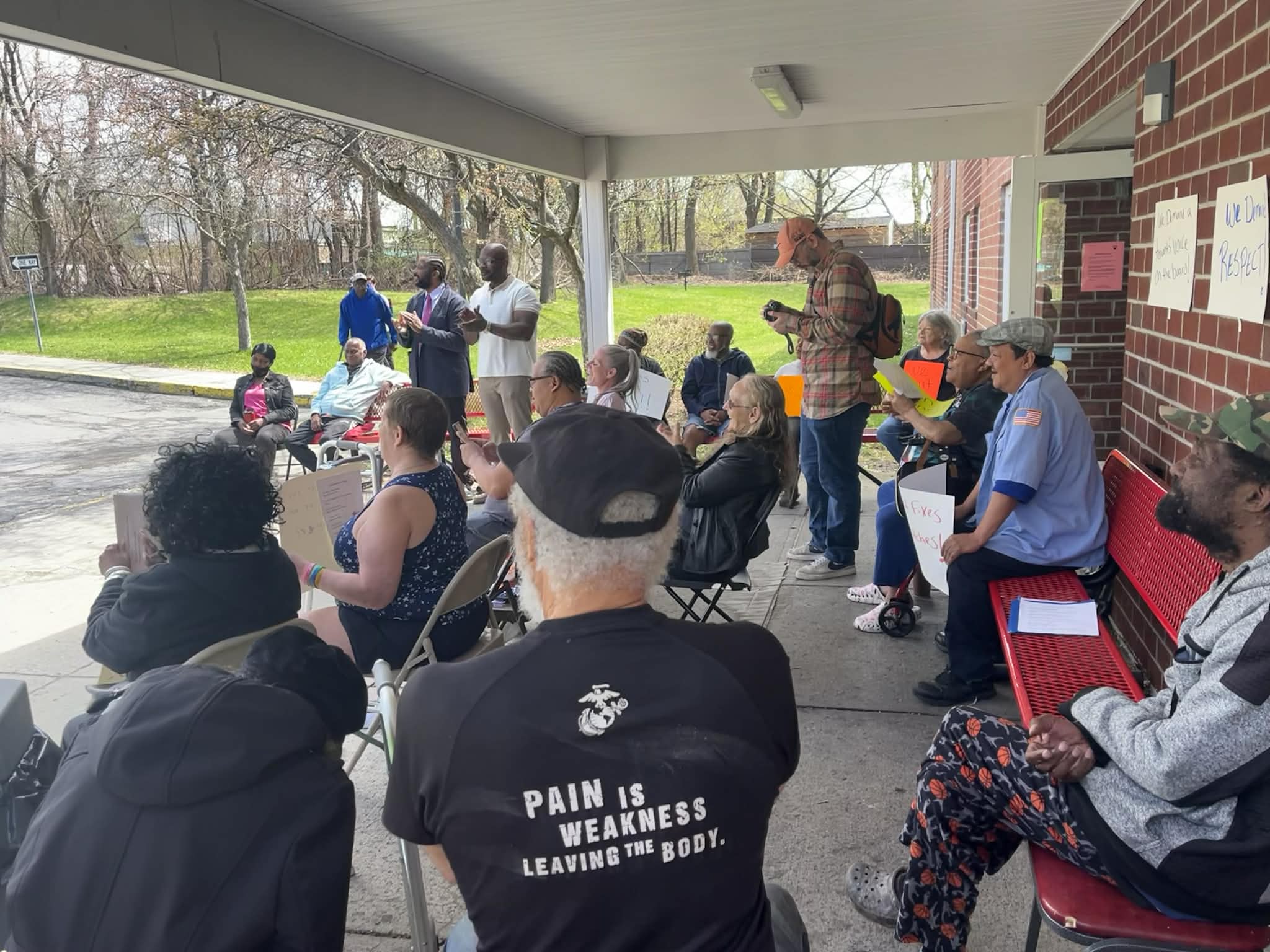
United Tenants of Albany (UTA) supports renters in forming Tenant Associations and Tenant Unions—powerful, collective tools for building tenant power, demanding better housing conditions, and creating change.

Tenant groups can be organized by: apartment building, housing complex, shared landlord, street, neighborhood or even citywide!


What Is a Tenant Union?

A Tenant Union is a group of renters who join together to negotiate collectively with their landlord. Much like a labor union, tenant unions use their collective voice to demand:

  • Repairs and building maintenance
  • Rent abatements or reductions
  • Increased safety and security
  • Long-term housing stability
  • Broader community improvements

How We Can Help

UTA works alongside tenants to build strong, sustainable tenant unions. Here’s what we offer:

  • Help organizing initial meetings with neighbors
  • Support in identifying shared housing issues
  • Guidance on documenting tenant concerns
  • Tools for planning and holding group meetings
  • Training on negotiation strategies and escalation plans
  • Ongoing support as you build leadership and structure

Our role is to support, facilitate, and empower—not to lead. We aim to help you create a tenant organization that can eventually operate independently.


Getting Started

The first step is simple: start talking with your neighbors. Form a small group, begin gathering contact info, and find a time and place to meet. Together, you can begin strategizing how to address the issues you’re facing.

Know Your Rights

You cannot be evicted for organizing.
Tenant organizing is protected by law. If your landlord attempts to evict you in response, you may be able to use retaliation as a legal defense. If successful, this protection can block eviction proceedings for up to a year. Visit our Know Your Rights page to learn more about Retaliatory Eviction protections.


Contact Us

Interested in starting or growing a tenant union? Reach out to:
Bebhinn Francis – Bebhinn@unitedtenantsalbany.org

We’re here to help you build tenant power and demand the housing you deserve.

Tenant Advocacy

United Tenants of Albany (UTA) helps tenants stand up for their rights, navigate housing issues, and advocate for themselves. When requested, we can also step in and advocate on a tenant’s behalf—but only when initiated by the tenant.

We believe in supporting tenant self-determination. That means if a landlord contacts us asking for help with a tenant’s situation, we will not get involved unless the tenant reaches out to us directly.


How we can Help

  • Coaching tenants on how to communicate with their landlord
  • Mediating landlord-tenant disputes, when the tenant requests it
  • Helping tenants navigate other systems and agencies, including:
    • Code Enforcement
    • Social service providers
    • Police
    • The legal system
    • Other community-based organizations

If you’re unsure where to start, or need help with a housing issue, contact us at 518-436-8997 x3, ext. 2 or visit our office during walk-in hours. We’re here to support you in taking control of your housing situation.

Court Advocacy

Facing eviction can be overwhelming, but you don’t have to face it alone. United Tenants of Albany (UTA) provides court advocacy for tenants in eviction proceedings within the City of Albany, City of Troy, and smaller Albany County Courts.

To request this service, call our Housing Hotline at 518-436-8997 x3 and ask for court advocacy. Be sure to bring all relevant documents (lease, court papers, notices, rent receipts, etc.) with you to court.


How We Can Help

UTA’s court advocate is not a lawyer but offers essential support before and during your court appearance. Our advocate can:

  • Help you understand the court process
  • Explain your rights and possible legal defenses
  • Assist in negotiating payment plans or settlements
  • Support you emotionally and help reduce stress
  • Mediate communication between you and your landlord
  • Help you prepare for trial
  • Guide you in filling out important court forms like an Order to Show Cause
  • Explain how to file a Tenant Dignity and Safe Housing Act claim
  • Offer advice on how to respond to retaliatory or illegal actions by your landlord

Important Note

UTA’s court advocate is not an attorney and cannot speak to the judge on your behalf. If you are seeking legal representation, we recommend contacting the Legal Aid Society of Northeastern New York.

Fair Housing Enforcement

United Tenants of Albany is an Emerging Fair Housing Office in New York State, currently serving Albany County.

Fair Housing Laws exist at the federal, state, and local levels to protect people from discrimination and to ensure everyone has equal access to housing. These laws apply to rental housing, home sales, lending, and other housing-related activities.

What Fair Housing Laws Protect

Federal Fair Housing Law prohibits discrimination based on:

  • Race
  • Color
  • Religion
  • National origin
  • Sex
  • Disability
  • Familial status (including families with children, pregnant people, or those seeking custody of minor children)

New York State’s Human Rights Law adds further protections, including:

  • Age
  • Marital status
  • Sexual orientation
  • Gender identity
  • Lawful source of income (such as Section 8 or other rental subsidies)

Examples of Housing Discrimination

Discrimination is not always obvious. Below are some common examples:

  • Refusing to rent to someone with a Section 8 voucher or housing subsidy
  • Not providing reasonable accommodations for tenants with disabilities
  • Advertising units with phrases like “no children” or “adults preferred
  • Denying a good faith request for a service or emotional support animal
  • Refusing to rent to immigrants or undocumented individuals

If you experience any of these situations, you may have the right to file a Fair Housing complaint.

Exemptions: When Fair Housing Laws May Not Apply

There are a few types of housing that are not covered by these protections:

  • One or two family Owner-occupied buildings
  • Room rentals in housing for individuals of the same sex
  • Room rentals in owner occupied buildings

If you believe your housing rights have been violated, contact United Tenants of Albany at 518-646-0629 to speak with someone about your options.

Rental Assistance & Housing Counseling

If you’re at risk of losing your housing, we are here to help. United Tenants of Albany (UTA) provides emergency rental assistance to low-income tenants in Albany County who are facing eviction, experiencing homelessness, or living in unsafe or unstable conditions.

To access our services, call the Housing Hotline at 518-436-8997 x3 or visit our office Monday through Thursday, 10 AM to 12 PM or 1 PM to 3:30 PM at 255 Orange Street, Suite 104, Albany, NY 12210. No appointment is necessary. Walk-ins are welcome.


Eligibility Requirements

To qualify for UTA’s rental assistance, your household must meet all of the following criteria:

  • Reside in Albany County
  • Rent must be affordable based on your income
  • Qualify as low income
  • Pay rent that is at or below the Fair Market Rent for the area

If your household income is below 125 percent of the Federal Poverty Level, you must first apply for assistance through the Department of Social Services (DSS). If DSS approves only partial assistance, UTA may help cover the remaining balance. If DSS denies your application, UTA may still be able to assist.

UTA cannot provide rental assistance if your household has no income. However, if you are starting a job soon, a job offer letter may serve as proof of sustainable income.


Required Documentation

To open a case with UTA, your household must provide the following:

  • Two forms of ID (at least one with a photo) for each adult with income
  • A DSS acceptance or denial letter for emergency rental assistance
    (If your income is above 125 percent of the FPL, UTA can provide you with a waiver)
  • Proof of income for the past 30 days (paystubs, award letters, job offer, etc.)
  • Proof of rent amount (such as a lease or rental agreement)
  • Documentation of the emergency (for example, an eviction or utility shut-off notice)
  • A copy of the lease or rental agreement

What to Expect

After receiving all required documents, our team will:

  1. Review your case
  2. Determine which grants are available to you
  3. Assign a Housing Counselor who will support you through the process

Your counselor will complete a full intake, review your household budget and housing situation, inspect the rental unit if needed, and work with you and your landlord to coordinate payment.

UTA may provide emergency rental assistance once per household in a 12-month period. Maximum payments are typically around $1,000, depending on available funding and the specifics of your case.